
Welcoming new diplomats to London

Diplomats attend the Embassy Induction Seminar for an introduction to diplomatic life in London
More than 250 newly arrived diplomats and their spouses from almost a hundred nations attended the popular Embassy Network orientation day, which was packed with networking, information gathering and inspiration – to help diplomats and their families settle into life and work in the UK.
It was an opportunity for new diplomats to meet each other and hear from senior officials across Whitehall about policy and procedure in their field of diplomacy, while spouses had the opportunity to make new friends and learn about their new host city in a relaxed and informal environment.
Welcoming the newcomers was the HM Marshal of the Diplomatic Corps, Alistair Harrison CMG, who gave new diplomats a guide to diplomatic life in London and explained his role as the liaison between the corps and The King.
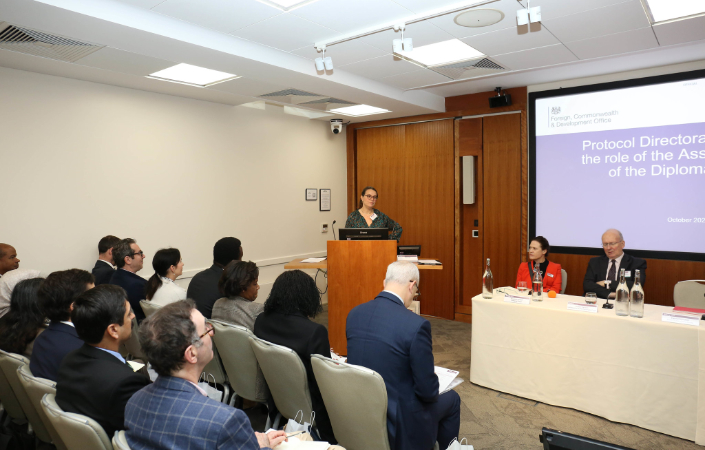
Diplomats were also welcomed by Eleanor Mackewn, Deputy Director (Policy) at the FCDO’s Protocol Directorate, who gave an overview of the Protocol Directorate and how it serves the vast diplomatic community in the United Kingdom, numbering some 22,500.
The plenary session was followed by an essential briefing on security from Tom Wright of the Metropolitan Police who gave guidance on how the police manage public order and protests, staying safe in London, and what to do in the event of a terrorist attack or mass shooting.
Diplomatic Networks
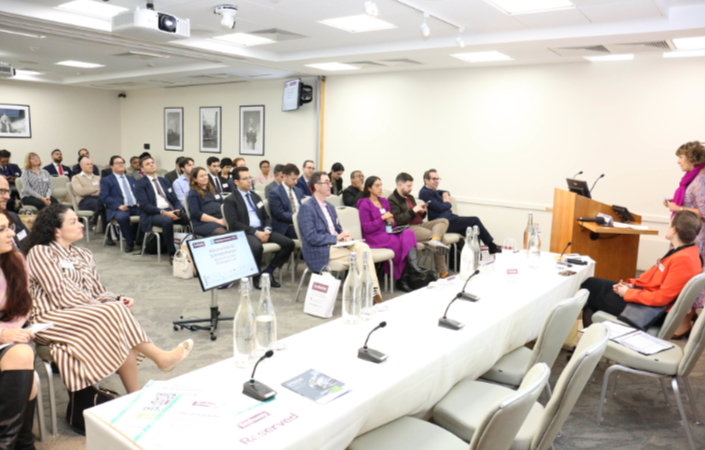
In the morning breakout sessions, diplomats received introductions to key diplomatic associations, covering portfolios such as agriculture, consular, culture, defence, economics, education, law enforcement, media, politics, protocol and science, as well as diplomatic networks including Women in Diplomacy, Young Diplomats and Diplomats for Equality, the network for London’s LGBTQ diplomatic community.
Defence Associations
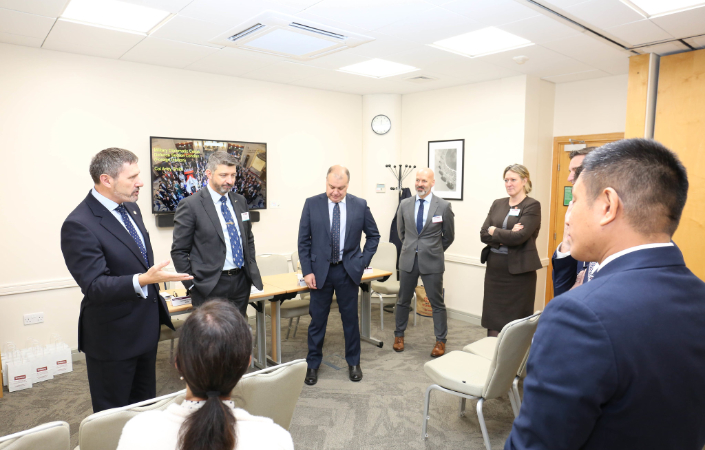
Defence attachés were welcomed by the Head of the Defence Section (Foreign Liaison) at the Ministry of Defence Col Andrew Smith who gave an overview of the packed programme his section organises for the defence attaché community, after which DAs were introduced to the doyens of the three main defence attaché associations – the Air Attaché Association, Naval Attaché Association and the Association of Military Attachés.
Multilateral affairs
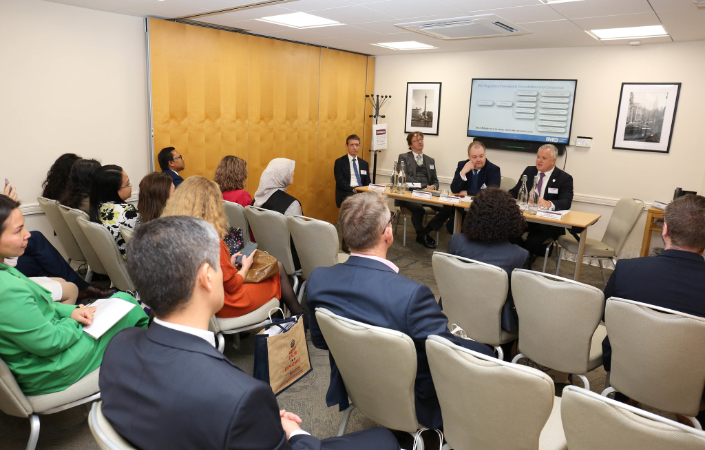
Those covering the multilateral portfolio had a separate briefing about multilateral diplomacy in the UK, where they found out about the grouping of UK-Based International Organisations (UKBIO), as well as detailed introductions to four of the major international organisations with headquarters in the UK, including the Commonwealth, European Bank for Reconstruction and Development, International Grains Council and the International Maritime Organization, which is the only UN agency to be headquartered in the UK. The session was chaired by the Head of International Organisations in the Protocol Directorate, Tom Franey.
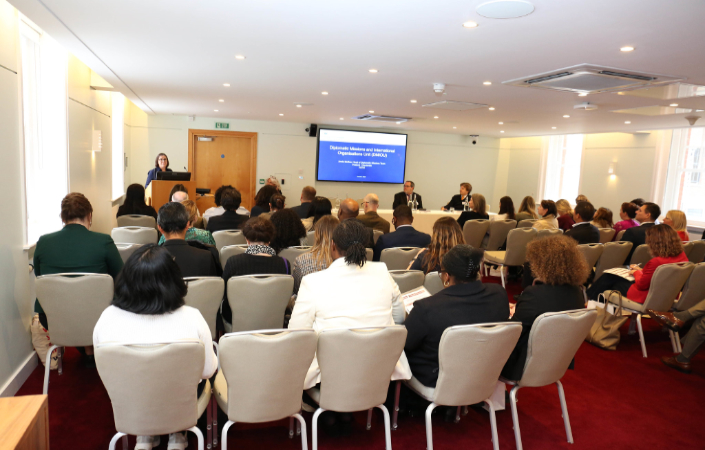
Embassy Management
Embassy administrators attended a session with UK authorities offering guidance on UK regulations and managing their missions. They received a briefing from the Head of Diplomatic Missions in the Protocol Directorate, Annie McGee, on diplomatic privileges and immunities and how the UK government meets its obligations to the diplomatic corps under the Vienna Conventions.
PS Lee Wilkinson introduced security officers to the Parliamentary and Diplomatic Protection, which is the unit in the Metropolitan Police tasked with the protection of diplomatic buildings in the UK.
Rick Johnson, from the Embassy Team at UK Visas and Immigration, gave a talk to HR managers about immigration rules governing the diplomatic community, including sponsorship compliance when hiring staff for diplomatic missions.
Jonathan Fox of HMRC gave finance attachés an overview of diplomatic tax reliefs, while Sander Stockbroekx (Diplomatic Card) advised them about reclaiming fuel tax and David O’Callaghan of the DVLA gave an overview of diplomatic driving permits and procedures to register and de-register a diplomatic vehicle.
Diplomatic Portfolio briefings
During the portfolio sessions in the afternoon, diplomats received introductory briefings on policy and practice, in five broad diplomatic portfolios, including Politics and Parliament; Economics, Innovation and Energy; Consular and Home Affairs; Education and Culture; and Media and Public Diplomacy.
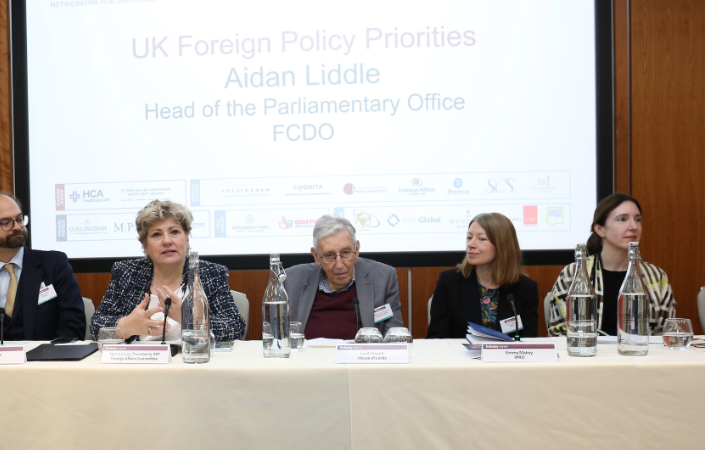
Those covering politics and parliament received an introduction to the UK’s foreign policy priorities and how the FCDO liaises with Parliament from Aidan Liddle, the Head of the Parliament Office at the FCDO.
The Chair of the Foreign Affairs Select Committee Rt Hon Dame Emily Thornberry MP, encouraged the new diplomats to engage with Parliament. She also offered valuable insights into how the committee scrutinises the work of the FCDO and its skilled diplomats, which she called “the brains trust” of the UK, adding: “In some ways British diplomacy is also the global brains trust. We have traditionally been valued by many in the international community for holding the drafting pen in international negotiations. I’m happy to say that British diplomacy is back, and in these turbulent times, we want to do good.”
Political officers also heard from one of the UK’s most senior parliamentarians, Lord Howell, who focused his talk on the polarised and unpredictable politics, both in the UK and globally, and posed probing questions to the diplomatic audience on what could be done for the moderate centre to hold.
On the subject of inter-parliamentary diplomacy, political attachés heard from Emma Makey, head of Strategy and Programmes at the Inter-Parliamentary Relations Office (IPRO), who explained how Parliament engages with the diplomatic community and internationally through the IPRO, as well the Speaker’s Office, All Party Parliamentary Groups, Select Committees and various parliamentary assemblies and inter-parliamentary groups.
Diplomats also heard from Aisling Conboy of Wilton Park, which she described as the discreet, arms-length “think space” of the FCDO, bringing people together to work through complex global challenges. She encouraged diplomats to participate in is programmes as well as those of the UK’s diverse think tanks.
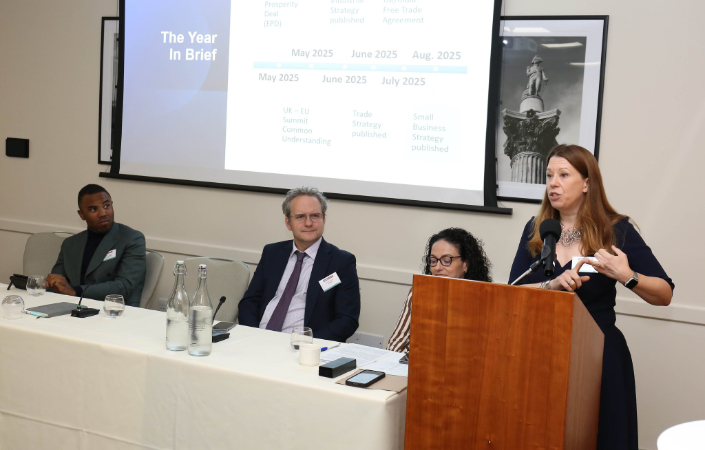
Those responsible for economics, energy and innovation at their missions, heard from the Economic Directorate at the Foreign, Commonwealth and Development Office as well as the Department for Business and Trade, the Department for Energy Security and Net Zero and the Corporation of the City of London.
The focus was on UK’s development and trade policy, industrial strategy and climate diplomacy aimed at delivering sustainable economic growth, both in the UK and globally.
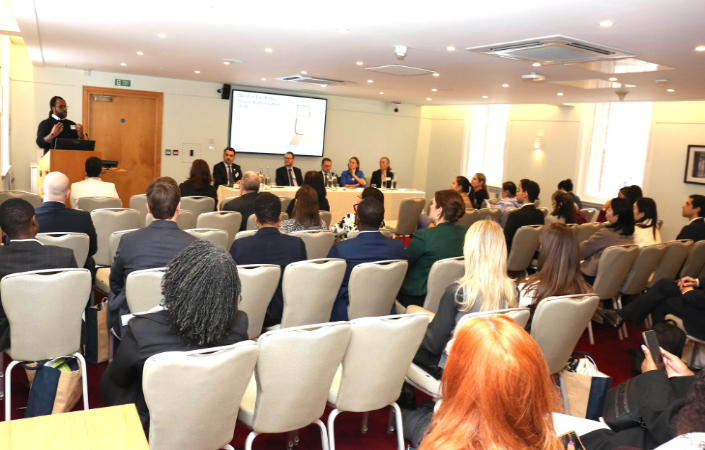
For diplomats covering consular and home affairs, heard from the Home Office and its future borders policy, including eVisas and ETAs. A briefing from HM Prisons and Probation Service of the Ministry of Justice focused on the management of foreign prisoners in the UK. Consuls also heard from a Family Liaison Officer in the Metropolitan Police about how consular emergencies are handled and liaison with bereaved families, while consular service provider Rowland Brothers International explained the role of coroners and repatriation procedures following the death of a foreign national.
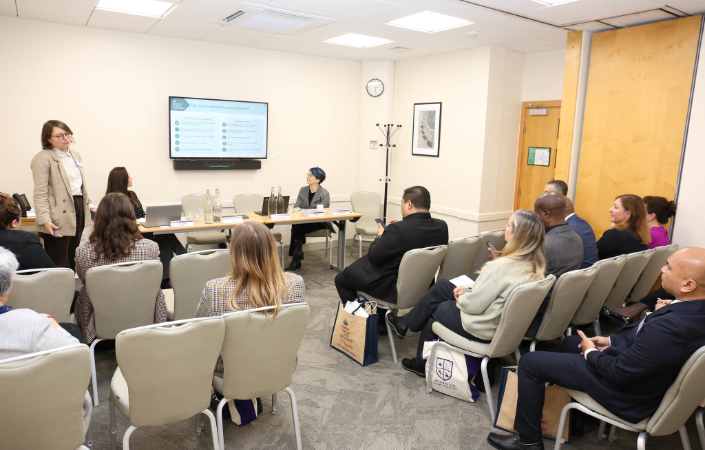
For those responsible for culture and education diplomacy, there were briefings from the Department for Culture Media and Sport on the UK’s cultural diplomacy and the National Museums Directors Council on engaging with the UK’s national and regional cultural institutions across the UK.
In the same portfolio session, education attachés heard from the Department for Education on international partnerships in education and an overview of the UK’s Higher Education Institutional landscape and international outlook.
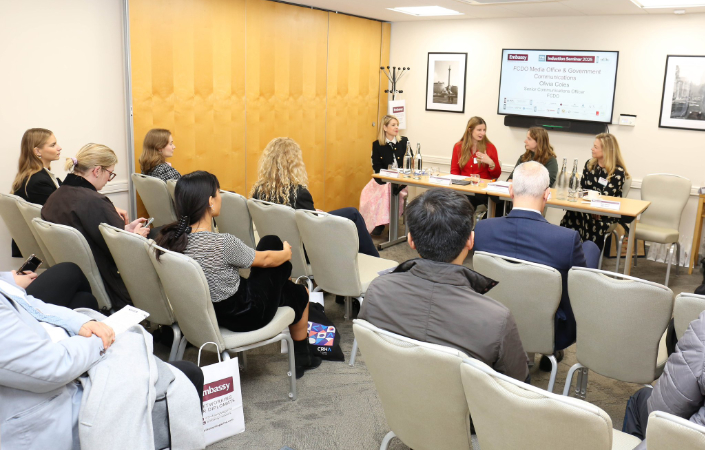
New press and public diplomacy officers received insights into the FCDO’s communications and social media strategy from senior officials in the media and digital team. The Deputy Director of the Foreign Press Association Kate McCure introduced press attachés to the Foreign Press Association and tips on working with the foreign media in the UK.
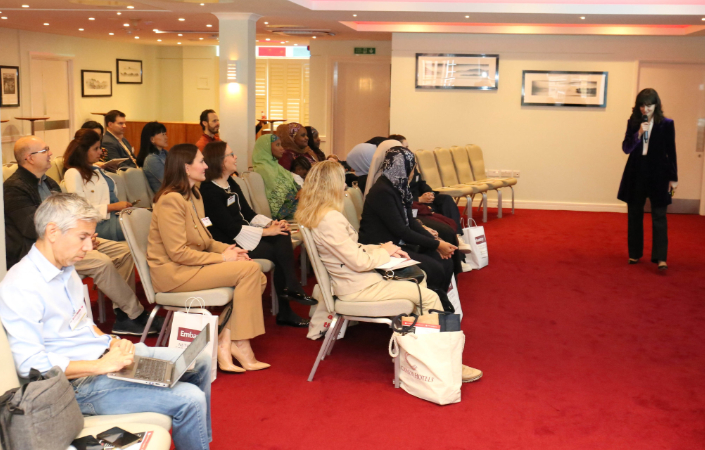
Spouse Programme
The parallel programme for diplomatic spouses began with a warm welcome from the Diplomatic Spouses Club of London, Anđela Đinđić.
The programme the moved on to covering the practicalities of moving to a new post, such as a personal safety briefing from the Metropolitan Police, and a talk from UK Visas and Immigration about the rights of spouses and dependants to work and study in the UK and their responsibilities when employing staff.
An interactive panel of seasoned diplomatic spouses followed, discussing ways to seize the opportunities for professional development and personal growth in London, while navigating the challenges of the dual identity of a diplomatic spouse.
Spouses were also introduced to international women’s networks from FIWAL, the Federation of International Women’s Associations in London and there was a male spouse meet-up hosted by Michael Eccleshall of FCDO Families.
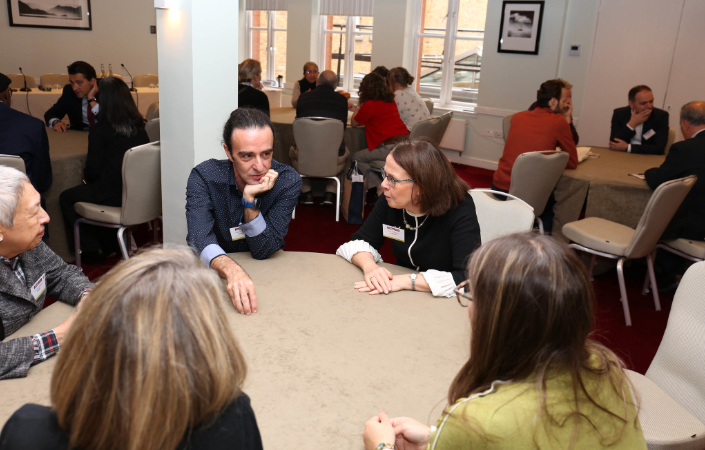
Diplomatic neighbours
In the afternoon, spouses divided into their neighbourhoods to make friends and share tips about the living in London, after which they participated in an entertaining travel quiz which took them on a magical mystery tour of the best places to visit in Britain, with tour guide David Garcia of Bespoke England Tours.
Networking
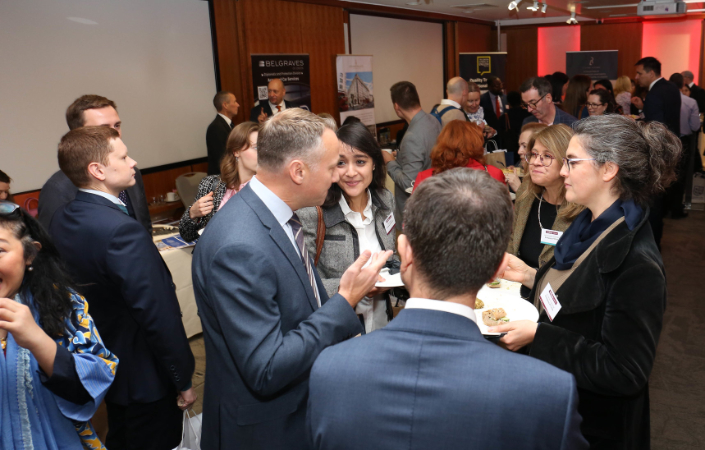
Throughout the day, diplomats and their families were able to visit the Living in London exhibition to meet diplomatic service providers and government agencies to help them with the practicalities of moving to a new post. It was also an opportunity to meet diplomats from other missions and expand their networks.
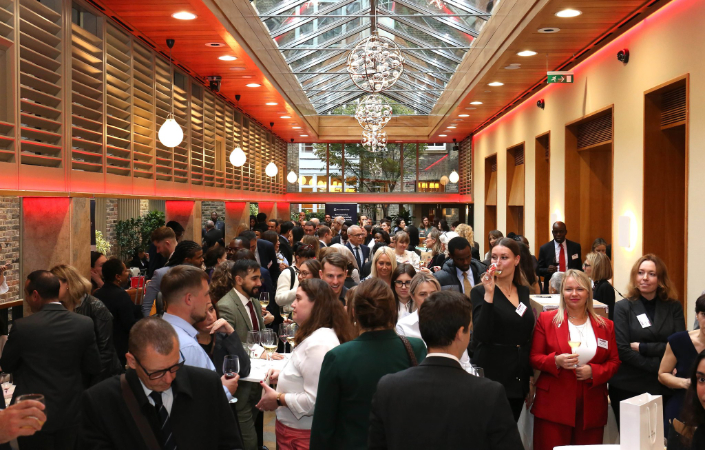
After a full day of briefings and networking, the programme ended with a relaxed reception and prize draw.
Share this story


