
Record turnout at Induction 2026
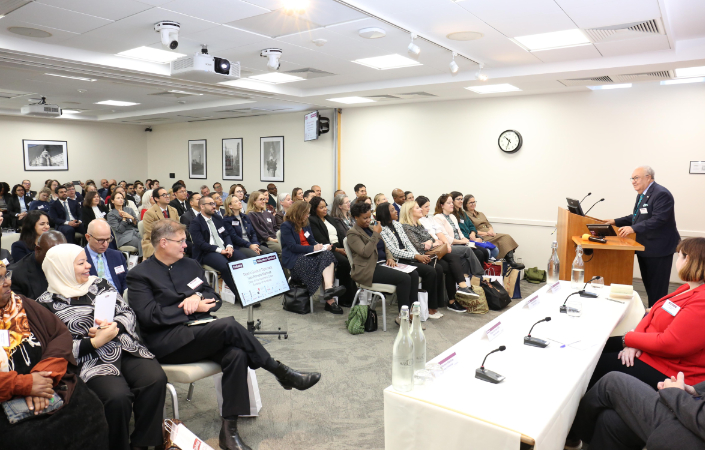
Diplomats attend the biggest ever Embassy Induction Seminar
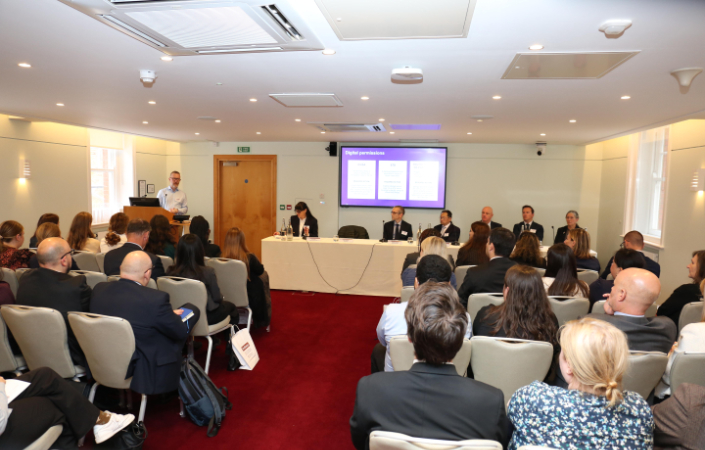
Almost 300 newly arrived diplomats and their spouses from a hundred nations attended the popular Embassy Network orientation day packed with networking and information gathering to help diplomats and their families settle into diplomatic life in the UK.
It was an opportunity for new diplomats to meet each other and hear from senior officials across Whitehall, while spouses were able to make new friends and learn about their new host city in a relaxed and informal environment.
Opening the Induction Seminar Embassy Group Director Elizabeth Stewart described London as “a posting of possibilities” and encouraged diplomats to make full use of the opportunities to gather information and make contacts.
HM Marshal of the Diplomatic Corps, Alistair Harrison CMG, extended a warm welcome on behalf of the King and gave new diplomats a taster of the unique Royal and Ceremonial events they could look forward to.
Representing the FCDO was the newly appointed Deputy Director of Protocol Sarah Broughton, who gave an overview of the Protocol Directorate and how it serves the vast diplomatic community in the United Kingdom, numbering some 22,500.
The Dean of the Diplomatic Corps, HE Ivan Romero Martinez, the Ambassador of Honduras gave new diplomats an invaluable guide to diplomacy in the UK and explained his role as the bridge between the diplomatic corps and the UK authorities. “As a new diplomat there is a lot to learn and a lot to experience in this wonderful posting. My advice is simple: if there is something you don’t know, just ask. We are here to assist.”
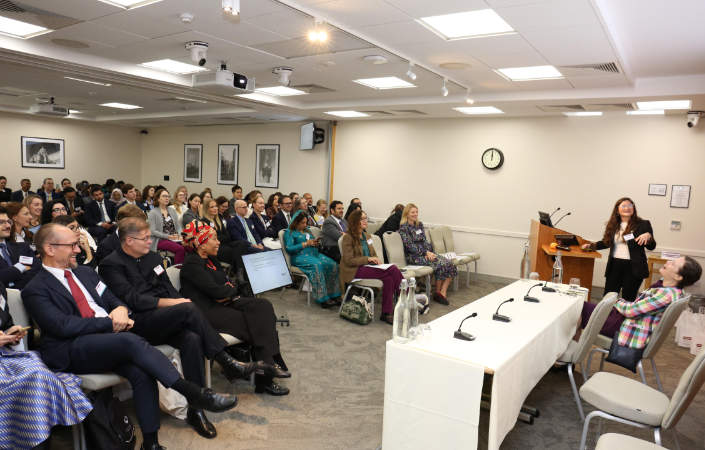
Diplomatic Networks
In the morning breakout sessions, diplomats received introductions to key diplomatic associations, covering portfolios such as agriculture, consular, culture, economics, education, law enforcement, media, politics, protocol and science, as well as diplomatic networks including Women in Diplomacy, Young Diplomats and Diplomats for Equality, the network for London’s LGBTQ diplomatic community.
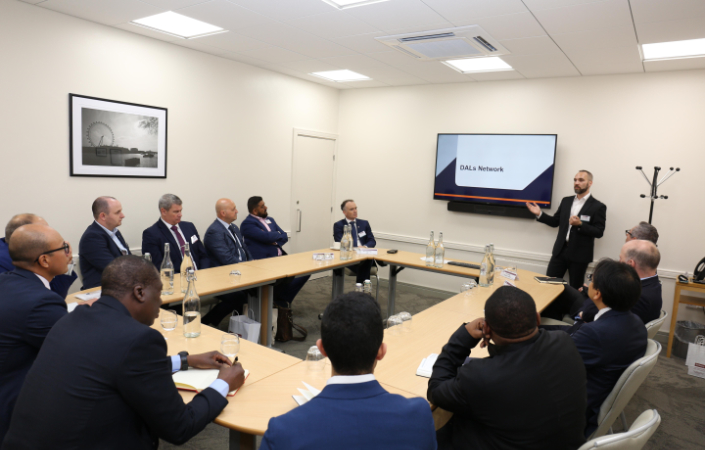
Defence Associations
Defence attachés were welcomed by the Chief of Staff to the Head of the Defence Diplomatic Corps London at the Ministry of Defence Lee Keogh who gave an overview of the packed programme for the defence attaché community, after which DAs were introduced to the three main defence attaché associations – the Air Attaché Association, Naval Attaché Association and the Association of Military Attachés.
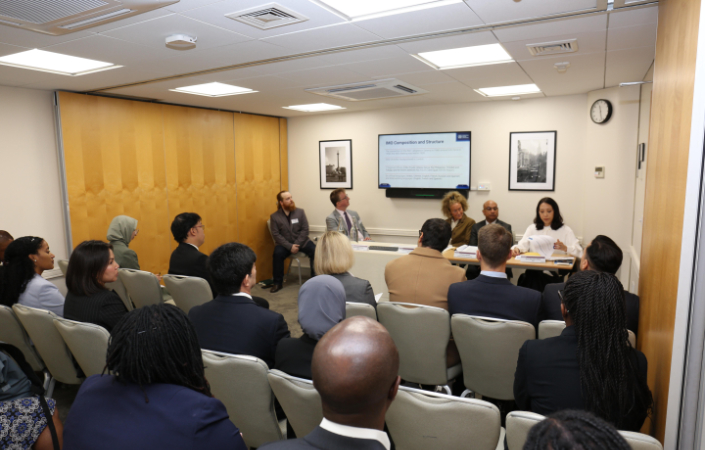
Multilateral affairs
Those covering the multilateral portfolio had a separate briefing about multilateral diplomacy in the UK, where they found out about the grouping of UK-Based International Organisations (UKBIO), as well as detailed introductions to four of the major international organisations with headquarters in the UK, including the Commonwealth (Linford Andrews), European Bank for Reconstruction and Development (Edward Bannerman), International Coffee Organization (Hannelore Beerlandt) and the International Maritime Organization (Tania Banuelos Mejia. The session was chaired by the Assistant Head of International Organisations in the Office of Protocol, Alex Wareham.
Embassy Management
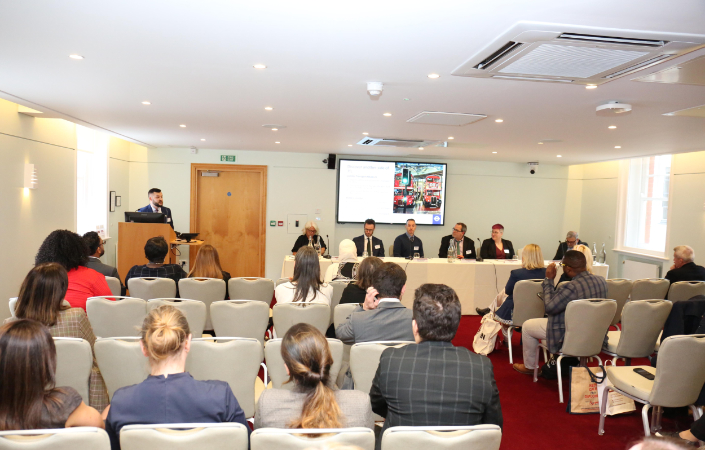
Embassy administrators attended a session with key UK authorities offering guidance on UK regulations and managing their missions. The Head of Diplomatic Missions and International Organisations Unit at the FCDO Office of Protocol Ben Norman gave a briefing on diplomatic privileges and immunities and how the UK government meets its obligations to the diplomatic corps under the Vienna Conventions.
PS Keith Rousenwould introduced security officers to the Parliamentary and Diplomatic Protection, which is the unit in the Metropolitan Police tasked with the protection of diplomatic buildings in the UK.
Tanup Gadhia, Head of Engagement at UK Visas and Immigration Embassy Team gave a talk to HR managers about immigration rules governing the diplomatic community, including the digital record of exemption and sponsorship compliance when hiring staff for diplomatic missions.
On financial matters, Jonathan Fox of HMRC gave finance attachés an overview of diplomatic tax reliefs available to diplomats. For transport matters, Liam Clements of Transport For London advised diplomats about options to get around London using public transport, as well as cycling, motoring and paying the London Congestion Charge. Andrea Waite of the DVLA Consular and Diplomatic Team gave an overview of diplomatic driving permits and procedures to register and de-register a diplomatic vehicle.
Personal Safety Briefing
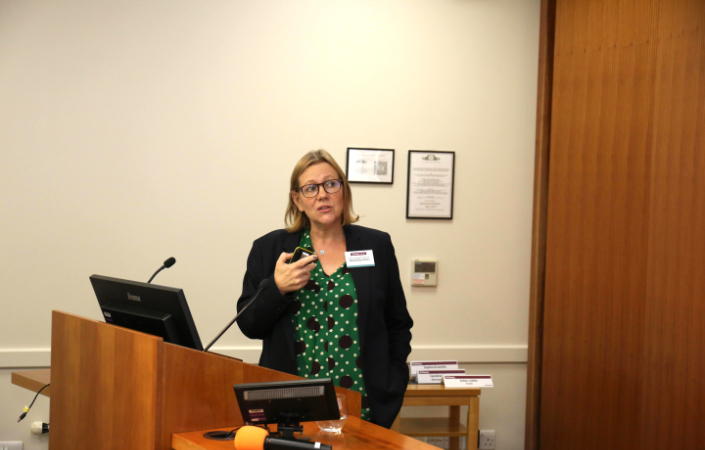
The morning session concluded with an important personal safety briefing for diplomats from PC Caroline Coleman of Protective Security Operations at the Met Police. The session covered ways diplomats can protect themselves and what to do in the case of a major incident or if their mission becomes the target of an attack. Diplomats were also given important cyber guidance on protecting their data and their identity.
Diplomatic Portfolio briefings
During the portfolio sessions in the afternoon, diplomats received introductory briefings on policy and practice, in five broad diplomatic portfolios, including Politics and Parliament; Economics, Innovation and Energy; Consular and Home Affairs; Education and Culture; and Media and Public Diplomacy.
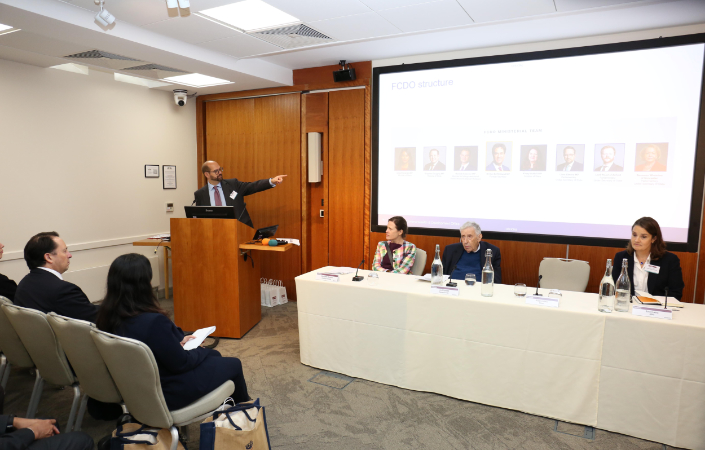
Those covering politics and parliament received an introduction to the UK’s foreign policy priorities and how the FCDO liaises with Parliament from Aidan Liddle, the Head of the Parliament Office at the FCDO.
Political officers also heard from one of the UK’s most senior parliamentarians, Lord Howell, who gave an overview of the activities of both the House of Commons and the House of Lords. He gave a fascinating account of the past 60 years in UK politics, the evolution of devolution and the role the UK can play in international relations.
On the subject of inter-parliamentary diplomacy, political attachés heard from Susie Latta, Head of International Relations at Inter-Parliamentary Relations Office (IPRO), who explained how Parliament engages with the diplomatic community and internationally through the IPRO, as well the Speaker’s Office, All Party Parliamentary Groups, Select Committees and various parliamentary assemblies and inter-parliamentary groups.
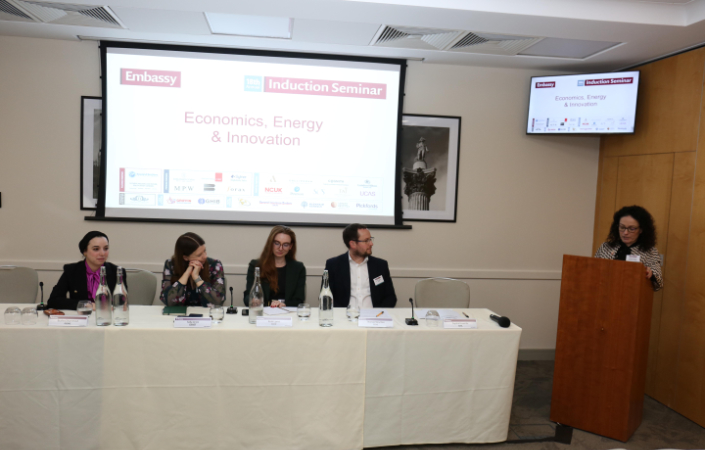
Those responsible for economics, energy and innovation at their missions, heard from senior officials from key Whitehall departments, including Tom Strachan and Ruth Lyons at the Economic Directorate at the Foreign, Commonwealth and Development Office; Sally Jones from the Department for Business, Innovation, Science and Trade; Dr Bushra Shammout from the Department for Energy Security and Net Zero; and Dharrshy Shanthakumar from the Corporation of the City of London.
The focus was on UK’s development and trade policy, industrial strategy and international climate diplomacy aimed at delivering sustainable economic growth, both in the UK and globally.
For diplomats covering consular and home affairs, heard from Paul Howarth of the Home Office and its future borders policy, including eVisas and ETAs. They also got an overview of the international activities of HM Passport Office from Stephen Parrish. A briefing from Adrian Chen at HM Prisons and Probation Service of the Ministry of Justice focused on the management of foreign prisoners in the UK.
Consuls also heard from Inspector Simon Telfer, head of Parliamentary and Diplomatic Protection, about liaison with missions following a consular emergency, while Insp Nathan Rutt, Family Liaison Officer in the Metropolitan Police, discussed liaison with bereaved families following a homicide or mass casualty event.
The session concluded with Fiona Greenwood, Director of Operations at consular service provider Rowland Brothers International, who explained the role of the coroner and repatriation procedures following the death of a foreign national.
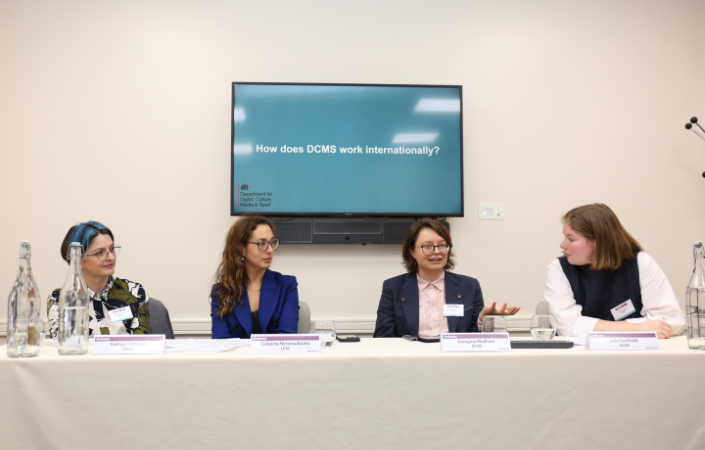
For those responsible for culture and education diplomacy, there were briefings from Georgina Wadham and Julia Caulfield at the Department for Culture Media and Sport on the UK’s cultural diplomacy and Kathryn Simpson from the National Museums Directors Council on engaging with the UK’s national and regional cultural institutions across the UK.
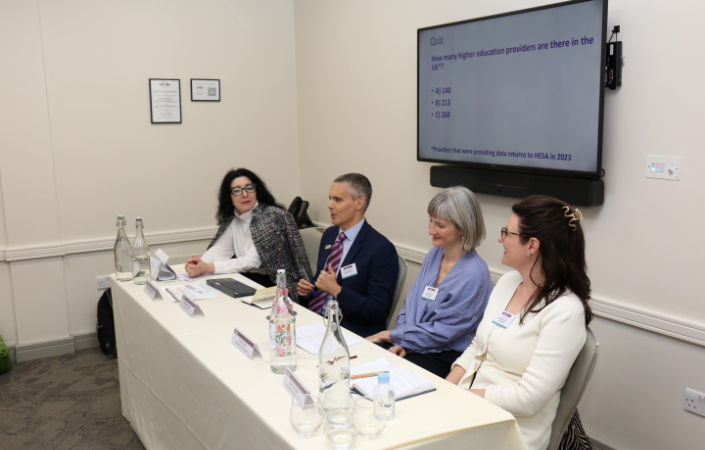
In the same portfolio session, education attachés heard from senior officials from the Department for Education, Clare Colvin and Emma Shovlin, on the UK’s international education strategy and education diplomacy. They also received an overview of the UK’s Higher Education Institutional landscape and international outlook from Eduardo Ramos of the British Council.
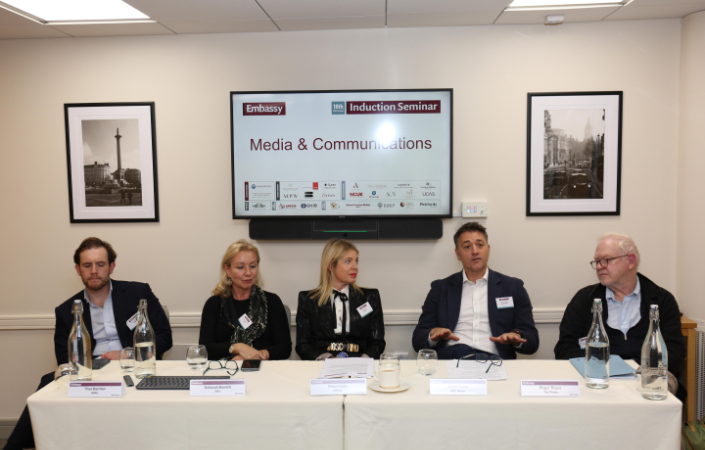
New press and public diplomacy officers received insights from across the media, including Daniel Fisher, News Editor at BBC News, the UK’s public broadcaster. For perspectives from the Foreign Media they heard from Deborah Bonetti, Director of the Foreign Press Association. Veteran diplomatic editor Roger Boyes of The Times offered a guide to working with the UK’s national print media and multiple new ways to engage with audiences, including podcasts and youtube channels. Introducing diplomats to the UK’s vast and varied regional and local press was Theo Bamber, CEO of the News Media Association.
Spouse Programme
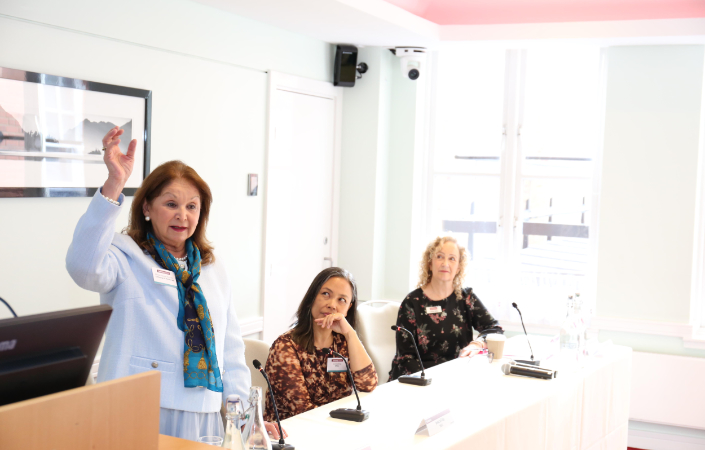
The parallel programme for diplomatic spouses began with a warm welcome from the Doyenne of the Diplomatic Spouses, Mrs Mirian Nasser-Romero, wife of the Ambassador of Honduras, and the President of the Diplomatic Spouses Club of London, Jessica Gray.
The programme the moved on to covering the practicalities of moving to a new post, such as a personal safety briefing from the Metropolitan Police, and a talk from UK Visas and Immigration about the rights of spouses and dependants to work and study in the UK and their responsibilities when employing staff.
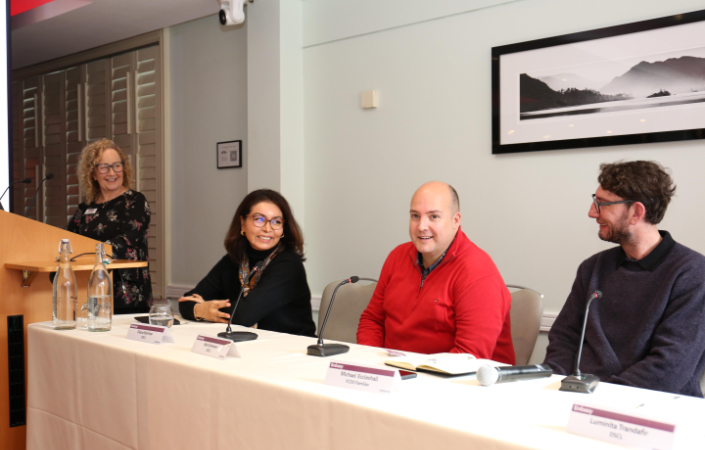
An interactive panel of seasoned diplomatic spouses followed, in which they discussed ways to seize the opportunities for professional development and personal growth in London, while navigating the challenges of the dual identity of a diplomatic spouse. Topics covered helping children adjust to their new environment while also seeking opportunities to develop a career, engage in volunteering or take up further study in the UK.
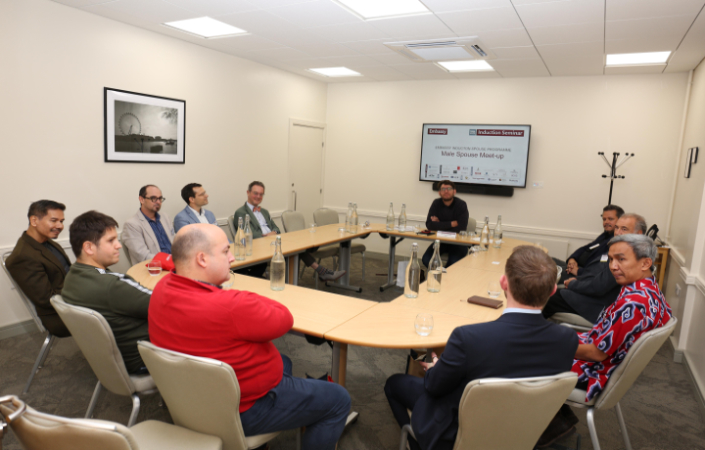
Spouses then separated into two parallel sessions where female spouses were introduced to international women’s networks from FIWAL, the Federation of International Women’s Associations in London. There was a male spouse meet-up facilitated by Michael Eccleshall of FCDO Families where male spouses were encouraged to share their experiences and exchange ideas on opportunities on offer.
Diplomatic neighbours
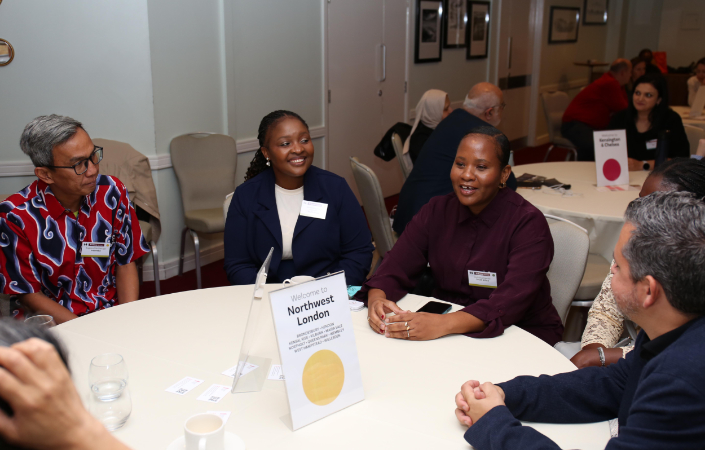
The afternoon session began with a health and wellbeing briefing on accessing healthcare in the UK, from the London General Practice. Thereafter, spouses divided into their neighbourhoods to make friends and share tips about what is on offer in London’s many boroughs, after which they exchanged ideas on travel and leisure across Britain and pursuing hobbies with friends.
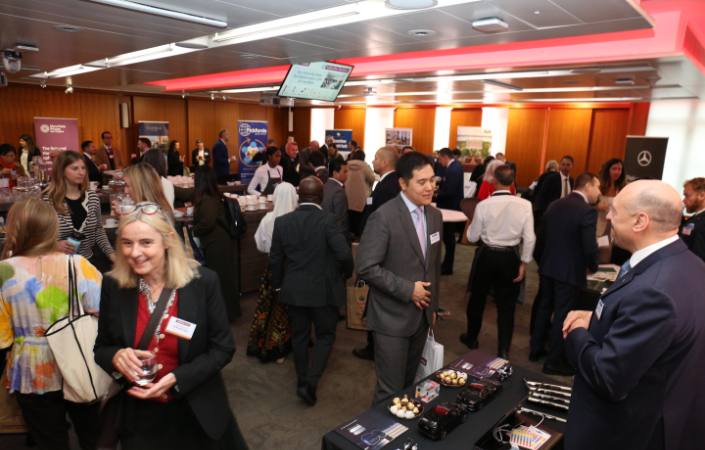
Networking
Throughout the day, diplomats and their families were able to visit the Living in London exhibition to meet diplomatic service providers and government agencies to help them with the practicalities of moving to a new post. It was also an opportunity to meet diplomats from other missions and expand their networks.
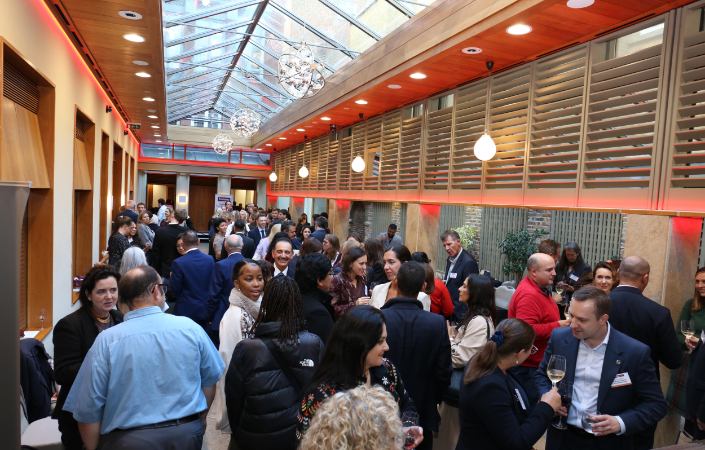
After a full day of briefings and networking, the programme ended with a relaxed reception and prize draw.
Share this story


